
The story of the decade in energy might not be generation at all. It might be wires, towers, and substations. The grid that moves electricity from where it is made to where it is used is being rebuilt at a scale not seen in generations, and steel is at the center of it.
Most of that steel is unglamorous high-strength structural plate, the kind that holds up transmission towers and substation structures without ever drawing attention to itself.
A once-in-a-generation grid buildout
The numbers are staggering. J.P. Morgan points to $5.8 trillion of cumulative grid investment forecast globally between 2026 and 2035, with the United States alone expected to spend on the order of a trillion dollars over the coming decade.
Two forces are driving it. Aging infrastructure built decades ago is reaching the end of its life at the same moment that electricity demand is surging.
That demand surge is being led by data centers and AI compute, which need large, constant blocks of power delivered to specific locations. Connecting those loads means new high-voltage lines, new substations, and new transmission corridors.
On top of that sits the broader electrification of transport and industry, which adds load across the whole system. The grid has to grow in every direction at once.
Where high-strength structural plate comes in
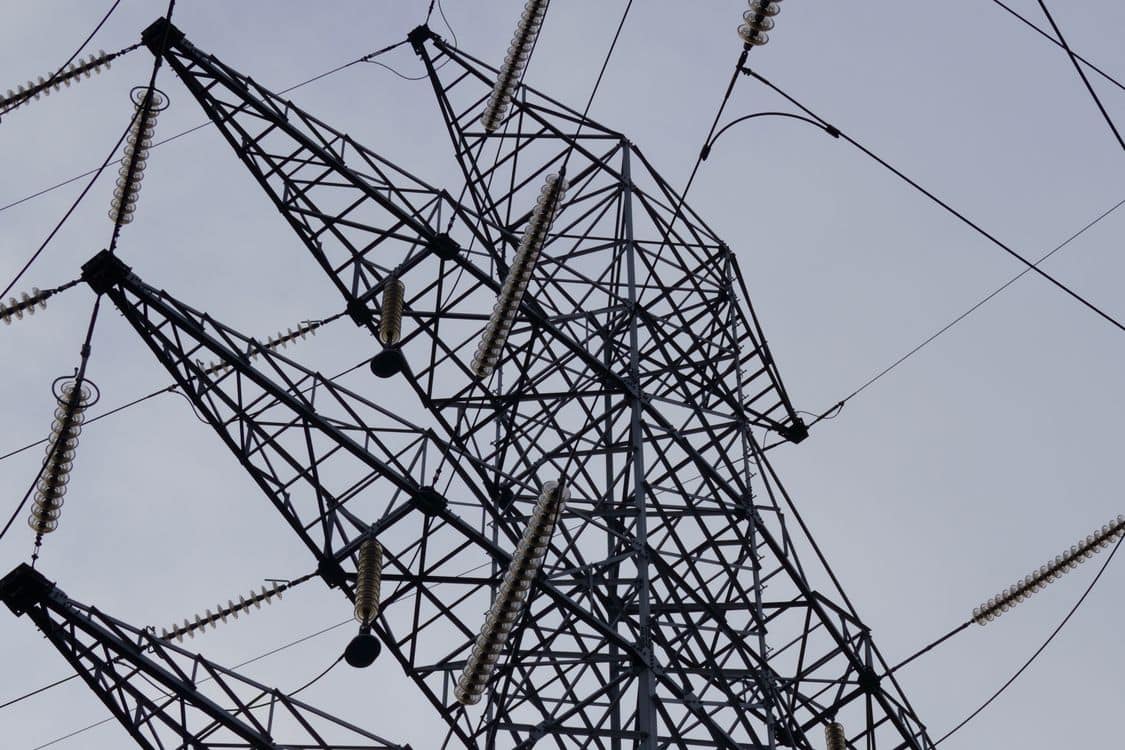
A transmission line is not just cable. It is a chain of steel structures, towers, poles, and monopoles, each engineered to carry conductors across the landscape through wind, ice, and decades of weather.
Substations are steel too. Support structures, equipment frames, bus supports, and platforms all rely on structural plate sized for strength rather than for pressure or corrosion.
This is the duty high-strength low-alloy plate was built for. A grade like ASTM A572 delivers higher yield strength than plain carbon structural steel at a similar weight, which lets engineers build lighter, more efficient towers and frames.
The strength-to-weight advantage matters more than it sounds. A tower that carries the same load with less steel is cheaper to fabricate, easier to transport to remote sites, and quicker to erect.
Across thousands of structures on a major transmission program, those savings compound into real money and real schedule. That is why the higher-strength grades dominate this work.
What the buildout means for steel buyers
For anyone supplying structural plate, the grid boom is one of the most durable demand stories in the market right now.
Utility spending is unusually predictable. It is planned years ahead, approved through regulatory processes, and tied to load growth that shows little sign of slowing. That gives suppliers a clearer demand signal than most construction sectors offer.
It also concentrates demand in specific places. Transmission corridors and substation projects cluster around the regions adding the most load, which shapes where plate needs to be staged and delivered.
There is a competitive dimension as well. Grid steel often comes with demanding fabrication and galvanizing requirements, and suppliers who can deliver consistent, well-documented high-strength plate on schedule are the ones who hold these accounts.
The headlines will keep focusing on power plants and data centers. But the steel story underneath the energy transition is the grid, and the grid is built largely from high-strength structural plate that quietly carries the load.