
Composite bonding can transform a smile with minimal fuss and immediate visual impact. It uses a tooth colored resin that is sculpted and hardened directly onto enamel to mask chips gaps and stains.
Patients often like the speed of the treatment and the fact that it requires little tooth removal in many cases. Before you schedule an appointment it pays to have a clear sense of what the treatment can and cannot do for your teeth.
1. What Composite Bonding Actually Does
Composite bonding fills small gaps repairs chips and covers surface stains with material that closely matches natural enamel. Technicians shape the resin in thin layers to rebuild form which gives control over contours and symmetry in ways that feel quite direct.
Because the material bonds to enamel the results can look seamless when the shade and finish are matched carefully. The procedure can meet cosmetic goals quickly without the need for lab work that would add time.
The technique does have limits when facing larger structural problems or deep discolouration that reaches the inner tooth layer. In such cases a crown or veneer can deliver longer lasting stability and a more predictable shade match.
For those who want a fast, effective fix, composite bonding for your smile can offer a less invasive alternative compared to more complex restorative procedures.
Bonding will not change the position of teeth in the way orthodontics can, so alignment issues may still require braces or aligners. Still for cosmetic tweaks and modest repairs the method is a practical and less invasive choice.
2. Who Is A Good Candidate
Healthy gums and an absence of active decay are the baseline for anyone hoping to get composite work. Your clinician will check bite forces and habits like grinding because heavy pressure can cause the material to chip or wear quickly.
People with very large existing fillings might not get the same benefit since bonding needs enough natural tooth to attach to. For younger patients who have not completed dental development the technique offers a reversible way to address cosmetic concerns while keeping options open.
Lifestyle and oral hygiene habits matter just as much as clinical factors when assessing suitability. Frequent use of staining substances or inconsistent brushing may shorten the life of the restoration and change its appearance sooner than expected.
A frank discussion about expectations helps align what can be achieved in a single visit with what might require further treatments later on. That exchange also reveals whether a more robust restorative approach would reduce future maintenance.
3. What Happens During The Procedure
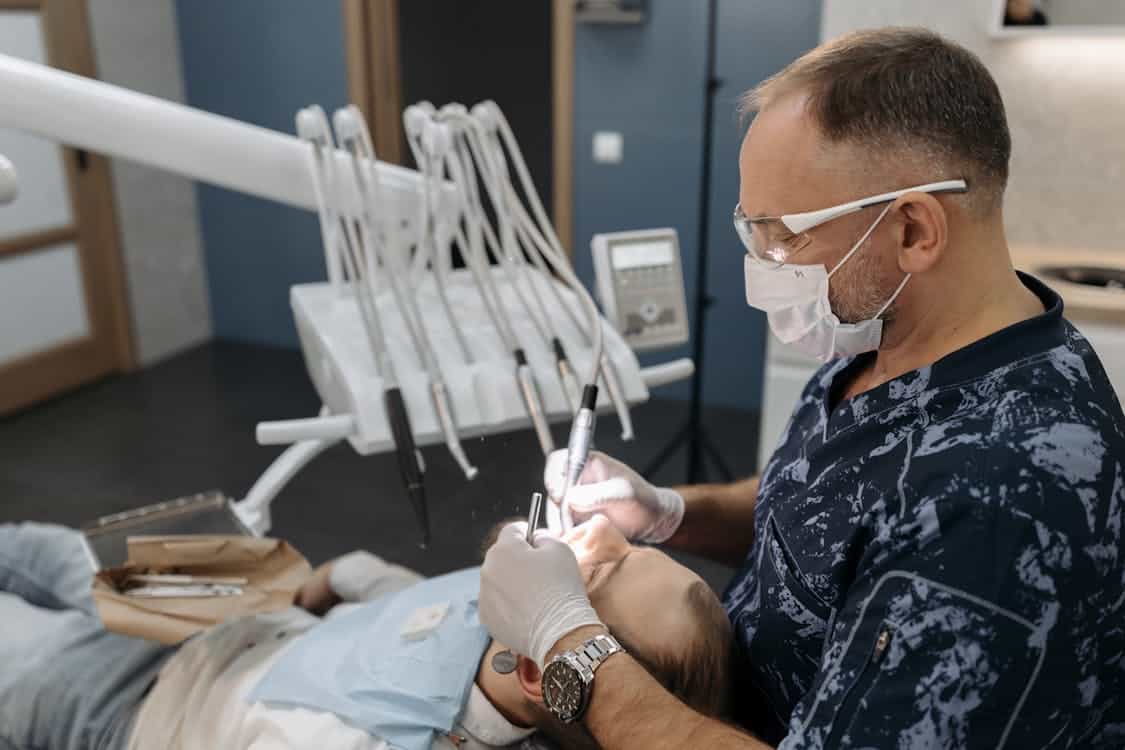
On the day of treatment your dentist will photograph and shade match teeth before starting so the resin blends naturally with your smile. The surface of the tooth is lightly prepared then a bonding agent is applied which allows the resin to adhere securely to enamel.
Material is built up and shaped in stages with fine instruments and intermittent light curing to harden each layer. Final shaping and polishing give a smooth lustre that reflects light in a way similar to healthy enamel.
Most single tooth repairs take less than an hour while multiple restorations can be completed in one longer session when the plan and time allow. There is often no need for local anaesthesia for minor changes but injections are an option for deeper work or for anxious patients who prefer to be fully comfortable.
The lack of laboratory work means you usually leave with the finished smile on the same day as the appointment. A detailed plan that lists steps and expected time helps avoid surprises and keeps the process simple.
4. Care And Longevity
Keeping bonded restorations in good shape calls for steady oral hygiene and occasional professional polish appointments to keep the surface looking fresh. The material is not invincible so habits like grinding or using teeth to open packages will shorten its lifespan significantly.
Regular dental checkups let the clinician spot small chips or lifting edges early which can often be repaired locally without replacing the whole piece. With sensible care many restorations last several years but expect gradual wear and a need for touch ups at some point.
Staining precautions help maintain a consistent colour match over time because composite is more prone to picking up discoloring agents than porcelain. Simple steps such as moderating colored beverages and using a straw for certain drinks cut down on direct exposure.
Smoking increases staining and also raises the risk of gum problems that affect the foundation of any restoration. Polishing and occasional re glazing can refresh the finish and keep the appearance cohesive with surrounding teeth.
5. Risks Costs And Alternatives
Like any dental treatment composite bonding has risks that include sensitivity minor chipping and imperfect shade match when viewed up close. Repairs are often straightforward but repeated repair cycles may lead to a point where a different long term solution makes more sense.
Prices vary widely by region and by the amount of work involved with single tooth repairs generally costing less than extensive smile makeovers. Insurance coverage for cosmetic work is frequently limited, so a clear cost plan up front avoids unwelcome surprises.
If longevity or maximum stain resistance ranks high on your list materials such as porcelain veneers or full crowns offer a different risk profile and longer service life in many cases. Teeth whitening is a lower cost option for basic shade issues but will not fix chips gaps or shape concerns.
Orthodontic approaches can correct alignment before any cosmetic layer is added which may reduce the need for significant restorative work later on. A candid conversation about goals and time frames helps set realistic expectations and identifies the most suitable pathway for each smile.