
Timber has a way of entering a brief and staying power in many building projects, and that presence is not merely cosmetic. Designers keep coming back to wood for a blend of surface appeal and underlying performance that fits a wide range of briefs.
There is an emotional pull to warm grain and lived in patina that sits beside measurable benefits when specifications are drawn and budgets set. Whether the aim is a rural retreat or an inner city retrofit, timber often offers a compact list of wins.
For those looking at reliable material supply and advice, it’s worth speaking with Mornington Timber solutions as part of the planning stage.
Natural Beauty And Visual Warmth
Wood brings visual texture that few materials can match, with grain patterns and color shifts that change as light moves through a room. That visual richness helps interiors feel inviting while exterior cladding can age with a quiet dignity that earns respect rather than demanding care.
Many designers enjoy the chance to pair raw timber with glass or concrete so that contrasts make each material sing. In this context the material acts like a familiar phrase in a poem, simple yet resonant.
Structural Performance And Reliability
Engineered timber products provide a high strength to weight ratio which opens up new structural options without adding undue mass. Large panels and glued laminated beams carry loads with predictable behavior so that spans can be longer and connections simpler.
The predictability of engineered grades makes it easier to plan members and joints with confidence when a building moves from sketch to site. That level of certainty can cut through clutter in a specification and help teams stay on schedule.
Thermal Behaviour And Insulation Value
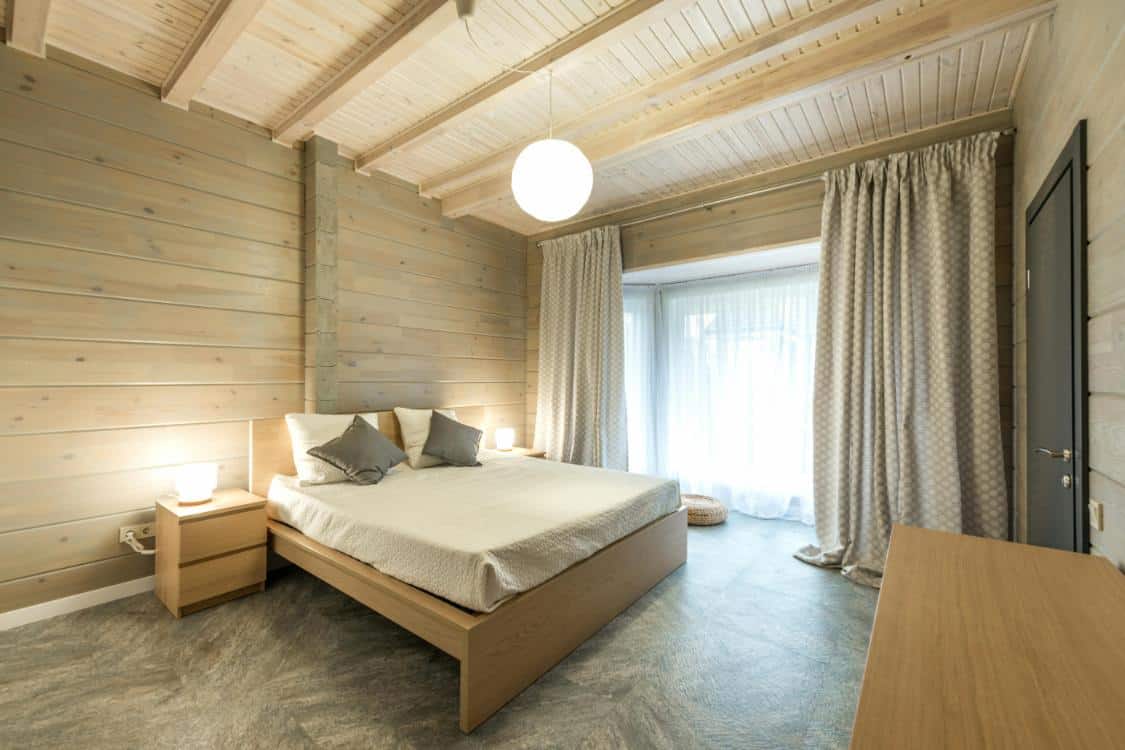
Timber has natural insulating properties that improve envelope performance and help meet energy targets when combined with proper detailing.
Wall and roof systems that use wood can often achieve good U values without deep cavity depth, which helps tight urban lots make the most of available floor area.
The thermal lag in heavy timber systems also soothes internal swings in temperature, which keeps services simpler and occupant comfort steadier. In many climates that translates to lower operational loads and smaller mechanical plant.
Acoustic Performance And Privacy
Timber elements can be tuned to manage sound in ways that serve both open plan areas and private rooms. Mass plus resilient layers help control low frequency noise while panel cavities and surface treatments address higher frequencies in an efficient package.
Designers can add finishes and absorptive layers that keep speech intelligible without creating a sterile or overly muffled atmosphere. The result is a setting where people can work or relax with fewer interruptions and better subjective comfort.
Sustainability Credentials And Carbon Balance
Many timber products lock carbon in long lived elements, which makes them attractive when project targets ask for low embodied impact. Harvested responsibly, wood can be part of a regenerative cycle where forests are managed to yield future growth as new stocks take root.
Certification schemes and chain of custody records give specifiers a trail to follow when they need to show provenance and lawful supply. That combination of measurable carbon storage and verifiable sourcing is often persuasive in planning reviews and client conversations.
Ease Of Fabrication And Site Handling
Prefab timber panels and modular units arrive on site ready to assemble, cutting erection time and reducing wet trades on a project. Shops can machine joints and fixings with precision so that on site work becomes a sequence of placement and connection rather than long hours of fitting by eye.
That factory to site flow often tightens quality control and keeps waste in check because cuts and tolerances are made once under controlled conditions. The end effect is a cleaner site, faster milestones, and fewer surprises when the sun rises on handover day.
Cost Efficiency And Long Term Value
Timber systems can offer strong value when whole life thinking guides choices, since initial cost, maintenance needs and replacement rhythms all feed into a life cycle.
Where timber reduces the need for heavy foundations or extensive steel work, the balance sheet looks more attractive and schedules can be accelerated.
Many clients respond to the idea that a material which ages well may avoid clumsy refurb cycles and keep operational disruption low. In short term budgeting and longer term stewardship both can find merit in wood.
Health Benefits And Human Connection
People often report feeling calmer and more focused in spaces that include natural materials, and timber has a large role to play in that subjective response. Surfaces that feel warm to the touch and interiors that offer visual complexity help reduce the sterile note that some building materials bring.
Studies link exposure to daylight and natural textures with improved mood and productivity, which makes timber an easy ally when client briefs include wellbeing. The human scale of timber elements can read as friendly rather than imposing, so occupants tend to adapt quickly.
Regulatory Support And Market Confidence
As building codes and standards adapt, many timber products have gained clear pathways for approval that reduce risk at design and permit stages.
Fire engineered solutions and tested joinery details provide repeatable methods for meeting safety objectives without losing the benefits that timber brings.
Manufacturers publish test data and technical notes so that specifiers can reference known outcomes instead of relying on guesswork. That transparency helps projects move through review with fewer rounds of question and reply.
Finish Options And Maintenance Profiles
Timber accepts a wide array of finishes from clear oils to pigmented stains and durable coatings that meet different durability needs and aesthetic aims.
Surface treatments can be chosen to reduce maintenance while still keeping the tactile quality that many users appreciate, and replacement boards can be swapped with minimal fuss.
Weathering patterns can be planned for so that cladding acquires a pleasing patina or is kept bright with periodic care. The balance of surface choice and maintenance plan gives clients control over how a building will present itself over time.