
Replacing a worn faucet or shower head can be a satisfying weekend win that saves money and stops leaks from turning into bigger headaches, but it also helps to know when a task is drifting beyond DIY territory and licensed plumbing support is the safer option.
With a few tools, basic parts knowledge, and a calm approach many common mistakes are easy to sidestep. The tips that follow move step by step so the task stays tidy and you finish with a leak free result.
Planning And Preparation
Start by measuring the old fixture and the mounting area so the replacement will fit without surprises, and note the thread types on visible connections to avoid a wrong sized part.
Lay out the tools you will use, include an adjustable wrench, basin wrench, plumber tape and a small brush for cleaning threads, and set aside a bucket to catch drips.
Photograph the setup before you touch anything because a quick image can save time when you reassemble parts that look confusing. Take a moment to turn off the water and open the tap to relieve pressure so work begins on a quiet system rather than a pressurized one.
Turn Off Water Supply Safely
Locate the shutoff valves near the fixture and close them firmly so the local line is isolated, then test by opening the tap to confirm the flow has stopped. If a dedicated valve is missing at the fixture, close the main supply and work with caution while a helper watches for unexpected flow.
Drain the lines by opening taps at lower levels so any trapped water leaves the pipes and does not spill into cabinets or onto floors. Better safe than sorry is a good motto here; leaks during removal are messy and avoidable with the simple steps above.
Remove Old Fixture Correctly
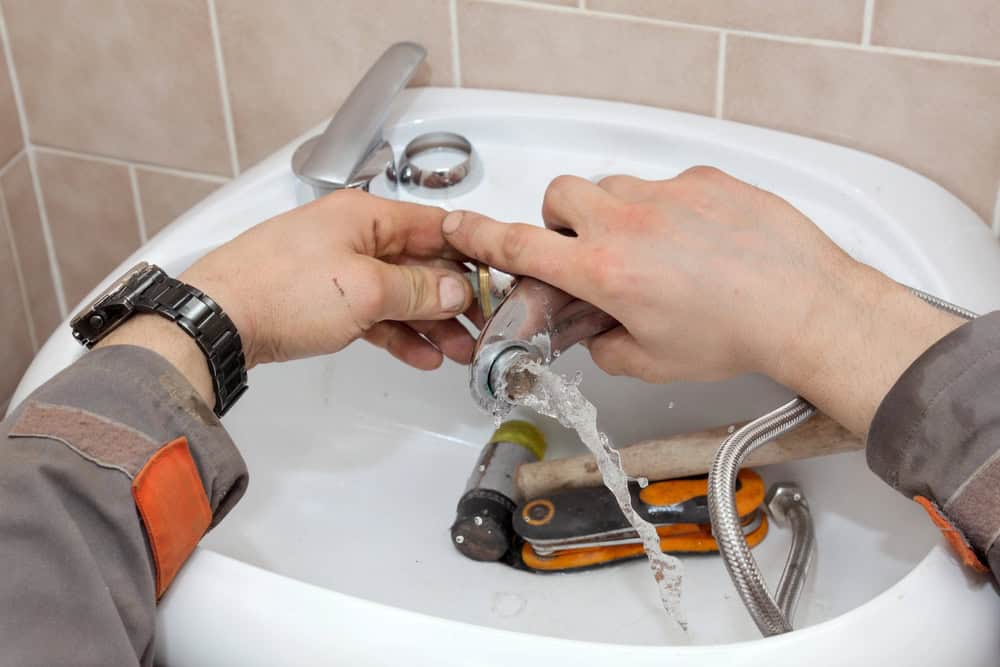
Loosen nuts and connections slowly so you can catch any water that remains in the lines, and use penetrating spray on corroded fittings then wait a few minutes to let it work.
Protect finishes with cloths and use the right wrench size to avoid rounding off nuts, which creates extra work and can lead to replacement of larger components.
If a part resists removal, try alternate angles and gentle taps to free it rather than brute force that can crack fragile porcelain or thin metal. Label parts as they come off so reassembly is logical and you do not mix washers or valve seats that are unique to the fixture.
Inspect And Clean Connections
After removal check threads, seals and valve seats for wear and corrosion, and scrap away mineral deposits with a brass brush to create a clean surface for the new sealing material. Small pits in threads sometimes call for a new coupling or sleeve rather than patching with tape, because a bad fit will leak under normal pressure.
Replace old rubber washers and O rings since they flatten over time and will not seal as new ones do, and keep parts dry while you work to avoid trapping moisture inside joints. A tidy cleaned area also helps you spot hairline cracks and stress marks that might otherwise hide until the system is back under pressure.
Choose Compatible Replacement Parts
Match the replacement to the plumbing you have, confirm inlet spacing and thread pitch, and check that valves align with the mounting holes so installation does not force parts into odd angles.
Standardized fittings are common but older homes sometimes use stop threads that require adaptors, so bring a sample piece to the hardware store if you are unsure.
Select replacement seals that are rated for potable water and that tolerate the local water hardness to avoid rapid wear. A correct fit now saves time and prevents visits back to the store when an ill fitting piece shows itself under water pressure.
Use Proper Sealants And Tape
Wrap plumber tape around male threads in the direction that the connection will turn so the tape does not bunch when you tighten, and lay only a few layers for a neat finish that seals without excess bulk.
Live thread compounds work well on some metal to metal joints but read the part instructions so you do not mix materials that are incompatible and that might harden in a way that invites leaks.
Do not overcoat threads with goo because excess sealant squeezes into the line and can clog aerators or screens further down. A light, even application keeps the flow smooth and the seals doing their job.
Reassemble With Care
Start threads by hand to confirm correct alignment, and avoid cross threading which can damage soft metals and make a tight seal impossible no matter how much force you apply.
Make final tightening with the wrench and then back off a hair if resistance spikes, because many fixtures require a snug fit rather than hammered torque to behave well over time.
Reinstall decorative trim and handles gently so snap clips and screw holes do not strip, and keep an eye on rubber parts during assembly so they do not roll away or pinch. Small pauses during reassembly buy you confidence and stop little mistakes from compounding into a real problem.
Test For Leaks And Adjustments
Open the supply slowly while watching every joint for weeping, paying attention to hidden spots behind escutcheons and under sinks where small drips gather unnoticed.
Cycle handles fully and partially to seat washers and to flush any debris that came loose during work, and tighten fractionally where a leak starts, because a quarter turn can be the difference between a drip and a dry connection.
Check hot and cold separately if the fixture has two feeds and listen for odd noises that signal pressure shocks or trapped air. Let water run for a few minutes to make sure seals hold under sustained flow and to remove any small particles before you finish up.
Maintain New Fixture For Longevity
Keep aerators clean on a routine basis to preserve flow rate and to stop sediment from abrading seals and valve seats over time, and avoid cleaners with harsh acids that eat metal plating.
Inspect under sink areas after a couple of days and again after a few weeks because small slow leaks can creep out of sight and cause damage long before you notice a stain.
Tighten minor fittings gently if they loosen with thermal cycling, and store spare washers and small parts so you can make quick repairs without a trip to the store. A little attention on a schedule keeps the new installation working like it did the first day it was fitted.