
Cinnamon is a fragrant bark spice that has traveled the globe and found a place in both sweet and savory traditions. Knowing the different types makes shopping less of a guessing game and helps you match aroma, taste and budget to the dish or use at hand.
Two names come up most often in markets and labels and they carry distinct profiles in flavor, appearance and chemical makeup. With a clearer picture, shoppers can make choices that fit kitchen aims, health priorities and wallet limits.
What Is Cinnamon And How It Is Produced
Cinnamon comes from the inner bark of trees in the genus Cinnamomum, and harvesting that bark without harming the tree takes a mix of skill and timing. After the bark is stripped it dries into curls that we call quills or is ground into the familiar powder that sits on spice racks; drying and processing styles influence color and potency.
Regions and tree species shape the aroma so that goods from one nation can smell soft and floral while another batch is boldly sweet and woody. Trade and storage practices also affect final quality which makes provenance information useful when comparing jars or bags.
Ceylon Cinnamon Characteristics
Ceylon cinnamon, often called true cinnamon, tends to have thin delicate quills and a lighter color than other common types on store shelves. Its flavor profile leans toward floral and subtle sweetness with layered citrus like notes that reward slow cooking and gentle desserts.
Chemically it has low levels of coumarin which matters for regular use and for people who track intake of that compound. Price tags often reflect that difference so shoppers looking for a mild refined profile must weigh cost against frequency of use.
Cassia Cinnamon Characteristics
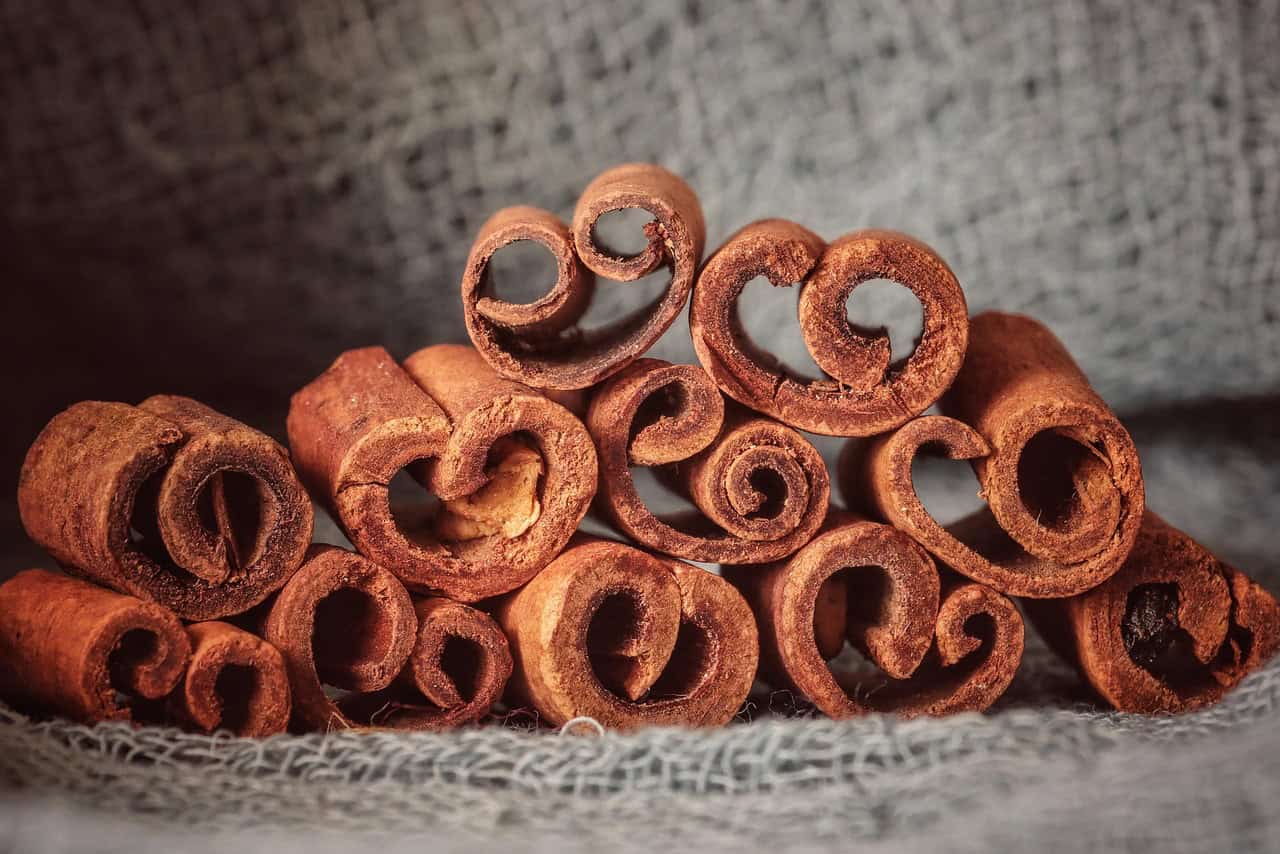
Cassia cinnamon usually arrives with thick tough quills and a robust deep brown hue that signals a stronger, spicier aroma than lighter bark. Taste notes land on warm sweet spice with a peppery kick that can stand up to bold cooking methods and high heat.
It contains higher coumarin levels, which limits very high daily intake for some users, yet it remains popular because of availability and price. For many cooks the boldness of cassia is ideal when the aim is a noticeable cinnamon presence in stews, roasted vegetables or baking.
Other Cinnamon Varieties To Know
Beyond the two dominant names there are several regional types that carry unique signatures such as Korintje, Saigon and Indonesian varieties, each with its own punch. If you are exploring globally, it helps to familiarize yourself with Ceylon, Cassia, Korintje, and Saigon so you can anticipate which style fits your recipe or preferred aroma profile.
Saigon cinnamon is known for a high oil content and intense aroma while Korintje strikes a balance between sweetness and strength that makes it a frequent supermarket choice.
Small differences in oil composition and sugar like compounds shift perceived warmth and lingering aftertaste. Sampling small quantities from reputable sellers can reveal which of these profiles fits a given recipe style or personal taste.
Health And Safety Notes
Cinnamon is linked to antioxidant activity and offers a warming effect in food, yet attention to frequency and portion size is sensible for long term habits. Coumarin shows up in variable amounts across types and has regulatory limits in some places which makes label reading a practical step for regular consumers.
For topical use or concentrated supplements, skin sensitivity and interactions with medications are considerations worth discussing with a health provider. When cooking with children or preparing daily dishes, rotating types or choosing low coumarin options can ease concerns without removing cinnamon from the pantry.
Culinary Uses And Pairings
Different cinnamon types shine with different ingredients and techniques so a one size fits all approach misses some easy gains in flavor.
Lighter true cinnamon pairs beautifully with tea, poached fruit and custards where subtlety is prized while stronger cassia loves bold baking, pork rubs and spiced coffee where it competes well with other robust notes.
Matching intensity to other elements in a recipe helps avoid overpowering delicate components or ending up with a flat result. Try a small test on a platform like oatmeal or a single cupcake before committing a whole batch to a new powder.
Buying Tips For Quality Cinnamon
When picking a product check labels for origin, form and whether the bark is rolled into quills or sold as powder because whole quills often keep aroma longer than ground forms.
Prefer sealed packages and reasonable manufacture dates and store receipts from trusted sellers when trying new brands, since freshness matters more than flashy packaging.
If the price seems unrealistically low that can signal blended goods or old inventory which will underdeliver on scent and flavor. Keep an eye on texture and scent at home; a light crumbling and a bright scent usually mean the spice will perform well in recipes.
Storage And Shelf Life
Cinnamon stores best in a cool dark place away from heat and direct light because oils that give the spice its character break down with warmth and strong rays. Whole quills hold aroma for months longer than ground powder, so buying whole can save money over time if you have a good grinder or mortar at hand.
For long term storage airtight containers that block moisture keep quality steady and prevent common kitchen woes like clumping or musty notes. Rotate stocks so that older jars are used first and label new containers with purchase dates to make rotation simple.
Sourcing And Label Reading Strategies
Sourcing from vendors who list species and country of origin cuts through vague marketing claims and gives a buyer concrete data to weigh when comparing jars. Third party certifications can signal adherence to farming or processing practices, though they are not a substitute for fresh scent and clear product dates.
Small labels and specialty mills often offer tasting samples or small trial sizes that reveal real world performance in baking and drinks. When uncertainty arises rely on aroma and taste tests rather than colorful endorsements, because nothing beats a quick kitchen trial for deciding what suits your needs.