
Every homeowner faces decisions about the heating and cooling system that keep a house livable, and one of the trickiest is whether to repair aging air ducts or replace them.
The best choice hinges on factors like the extent of physical damage, contamination inside the ductwork, the age of materials and the cost to do the work right.
Balancing upfront expense, future energy bills and the impact on indoor air quality helps reach a decision that lasts for years. Here you will find clear criteria, practical checks you can run yourself and what to ask contractors so you do not end up paying twice for the same fault.
Signs Your Air Ducts Need Attention
If vents blow weakly, rooms heat or cool unevenly, or you see stubborn dust piling around registers, those are classic signs that airflow is compromised.
Listen during a heating or cooling cycle for whistling or fluttering from the ducts because those noises often mark holes, ripped seams or detached sections that leak conditioned air into wall cavities and attics.
Look for physical clues such as sagging flexible runs, water stains on drywall near ducts or visible mold growth inside accessible sections which point to moisture and contamination problems.
When multiple faults pop up across the house or repairs keep recurring it is a red flag that a patch will only be a short term fix and a broader plan is needed.
Repair Methods And When They Work
Small leaks and loose connections typically respond well to proven repair steps like mastic sealant applied to seams, metal tape for rigid sections and mechanical reconnection of dislodged ducts to fittings.
Technicians can also replace short segments of damaged flex duct, re wrap or add proper insulation and improve transitions that cut turbulence and pressure loss.
Cleaning to remove settled dust and vacuuming accessible runs helps restore indoor air quality when contamination is superficial and there is no active mold.
Repair is often the economical choice when the remaining network is in solid condition, access is easy and the goal is to keep the system running without major layout changes. For the best long-term outcome, many homeowners choose a reliable Air Duct Repair Tampa fl team to handle the job correctly.
When Replacement Makes More Sense
Replacement becomes the smarter route when you encounter extensive corrosion in metal ducts, severe kinks in flexible runs or multiple sections with collapsed insulation that cannot be reliably repaired.
If mold is deeply embedded or a pest infestation left droppings across large areas cleaning alone will not remove spores and biological waste and full replacement is typically safer and more durable.
Homes where the duct design uses wrong diameters, has excessive bends or runs through chopped up attics often suffer chronic pressure problems that repair will not correct and a new properly sized network delivers lasting comfort.
When the system is near the end of its life span replacing ducts alongside an updated air handler can be a sensible investment in future savings and fewer service calls.
Cost Factors To Keep In Mind
Simple repairs can cost a few hundred dollars while comprehensive replacement for an entire house frequently runs into thousands, so it helps to compare the immediate price tag with projected maintenance and energy costs over years.
Labor intensity and access difficulty drive expense up because removing and reinstalling ducts in tight crawl spaces, finished basements or between joists takes time and skill.
Material choices matter too because insulated sheet metal, non insulated metal and flexible ducting differ in durability and installation cost which affects long term value.
Ask for clear scope statements, an itemized price, expected energy savings estimates and a craft warranty so the numbers tell a full cost story rather than just a headline figure.
Health And Comfort Impacts
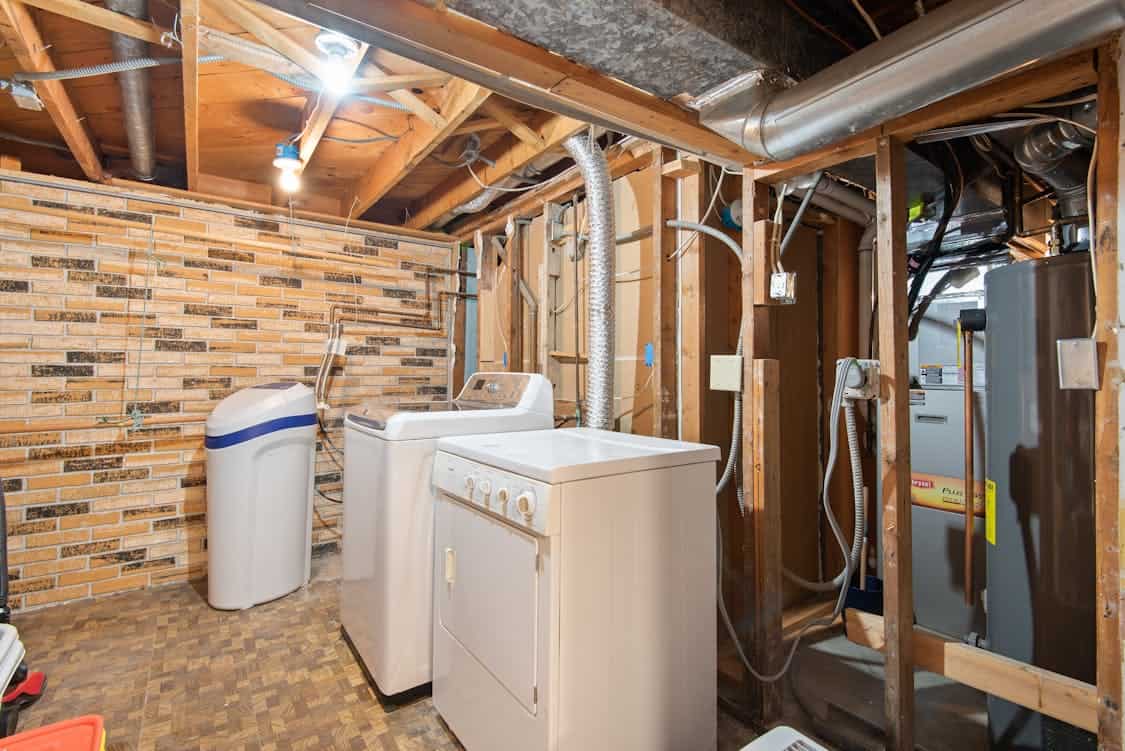
Air that circulates through leaky or dirty ducts can carry dust, hair, insulation fibers and volatile compounds into living spaces and make symptoms worse for allergy prone occupants.
When moisture has allowed mold to grow inside duct surfaces the risk of spores entering the supply flow raises both irritation and real health concerns for sensitive household members.
Comfort is more than temperature because air distribution and balanced pressure affect how a room feels, and uneven flow can make occupants crank the thermostat leading to higher bills.
Fixes that remove contamination and seal leakage often pay back in improved well being and fewer complaints even if the upfront cost seems steep at first.
Energy Efficiency And Long Term Savings
Air leakage from ducts running through unconditioned spaces wastes conditioned air which forces the HVAC system to run longer and draws more energy with every cycle.
Sealing leaks, repairing gaps at boots and properly insulating ducts can trim those losses so the system delivers useful heating or cooling rather than losing it to attic or crawlspace.
When ducts are undersized or have excessive bends the blower works harder and bills rise, so replacing poorly designed runs can return steady monthly savings in both electric and gas use.
Measuring leakage before and after work provides numbers that show the payoff in kilowatt hours saved and helps compare repair versus replacement on financial terms.
DIY Checks You Can Do
Start by feeling vents when the system runs to get a sense of airflow strength and by comparing rooms on the same floor for large differences that reveal distribution problems.
Inspect visible runs in basements and attics for crushed sections, disconnected joints and dirty insulation and take photos to document trouble spots for a technician.
Use a smoke pencil or a strip of tissue paper near seams to detect strong leaks and look for unusual condensation or musty odors that could mean mold or moisture.
Small tape and mastic temporary fixes cost little and can buy time while you get professional assessments for larger scale repair or replacement.
Hiring Pros And What To Ask
Hire licensed HVAC contractors who run diagnostic tests such as duct leakage testing, static pressure measurements and airflow readings so you get data rather than guesswork.
Ask each candidate how they will seal joints, what material they will use, how they will size runs and whether the job includes insulation and register balancing to tune flows.
Request references, written estimates that list labor and material line items and a timeline for the work so you can compare apples to apples across bids.
A solid contractor will stand behind their work with written warranties, explain trade offs and leave the system cleaner and quieter than they found it.