
A few miles south of Kailua-Kona sits a shallow, sheltered bay that ranks among the most popular snorkel spots in all of Hawaii. Kahaluʻu Bay is protected from big swells by an ancient stone breakwater, filled with tropical fish and coral heads, and easy enough for beginners that it draws an enormous, steady stream of visitors. It is also, because of that very popularity, a place where the tension between loving a reef and harming it plays out in plain sight every single day.
The people who work at Kahaluʻu have learned things about that tension that apply to every reef on the island. What they want snorkelers to understand is not complicated, but it runs against some deeply ingrained habits.
Loved Nearly to Death
The scale of visitation at Kahaluʻu is staggering for such a small bay. According to reporting on the bay’s reef-education effort, the site draws some 400,000 tourists every year. That is hundreds of thousands of pairs of fins, hands, and feet moving through one shallow, enclosed reef, and for years much of that traffic was doing damage without anyone involved realizing it.
The damage was rarely malicious. It came from people stepping onto the reef to rest, brushing against coral with their hands or fins, and arriving slathered in chemical sunscreen, all without understanding that coral is a living animal rather than a rock. A reef can absorb a certain amount of this. It cannot absorb it from 400,000 people a year indefinitely. The woman who became the bay’s most determined advocate described watching visitors trample the reef without any idea they were causing harm, and finding it both heartbreaking and unacceptable.
The response was not to lock people out. It was to teach them. A year-round visitor-education program grew up at the bay, using on-site staff and volunteers, multilingual signage, and one-on-one conversations to reach people before they get in the water. The educators teach snorkelers how to move through the reef without damaging it, how to identify coral, and what the bay means in Hawaiian culture. The bet is that most people will do better once they understand, and that ignorance, not malice, is the main driver of the harm.
The Habits That Do the Damage
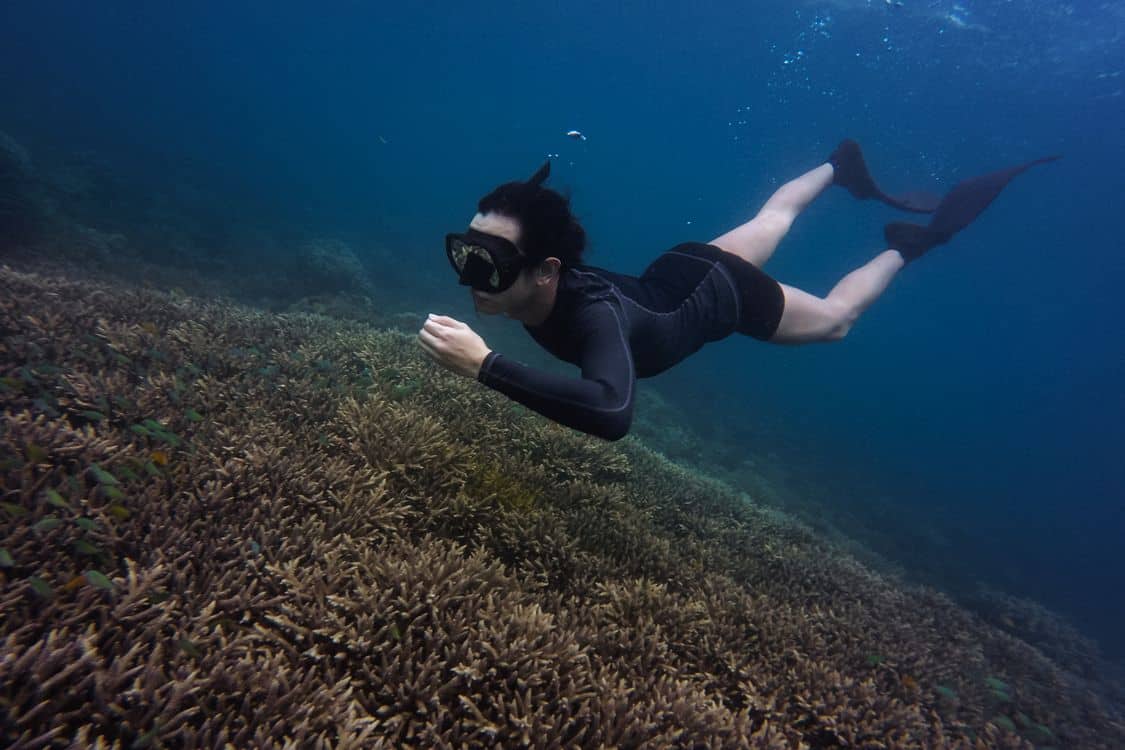
What the educators emphasize boils down to a few specific behaviors that visitors routinely get wrong. The first is touching or standing on the reef. The instinct to put your feet down and rest, or to steady yourself with a hand, is natural and almost universal among tired or nervous snorkelers. It is also one of the most damaging things a person can do, because the coral they are stepping on is a colony of tiny living animals that a single misplaced foot can kill.
The second is sunscreen. Chemical sunscreens containing certain compounds harm coral, and the educators steer visitors toward mineral-based formulas, the kind built on zinc oxide or titanium dioxide. On the Big Island this is not merely advice but a matter of local law, with chemical sunscreens restricted, and yet plenty of visitors still arrive coated in products that do not belong in the water.
The third is simple proximity and pressure: getting too close, chasing fish, kicking up sediment, treating the reef as a playground rather than a habitat. None of these behaviors come from bad intent. They come from people not knowing, which is exactly the gap the education program exists to close.
A Lesson That Travels Beyond One Bay
The reason Kahaluʻu matters to snorkelers who never set foot in it is that its lessons are universal. Every reef on the Kona coast faces some version of the same arithmetic: appealing, accessible, and therefore heavily visited, with each visitor capable of either negligible impact or real harm depending entirely on what they know and how they behave. The better Kona operators, among them Manta Ray Night Snorkel Kona, build the same reef etiquette the Kahaluʻu educators teach into their own briefings.
The encouraging part of the Kahaluʻu story is what it implies about agency. The damage was largely from ignorance, which means it is largely preventable. A snorkeler who keeps off the coral, uses the right sunscreen, and keeps a respectful distance is not making a heroic sacrifice. They are simply not doing the specific things that add up to reef degradation across hundreds of thousands of visits. The bar is low, and clearing it is mostly a matter of being told.
There is also a cultural dimension the educators are careful to convey. Kahaluʻu is not just an ecological asset; it holds meaning in Hawaiian tradition, and treating it with respect is part of treating the place and its people with respect. That framing tends to land with visitors in a way that pure ecological argument sometimes does not. People who understand they are guests in a culturally significant place behave differently than people who think they are in a free aquarium.
The reef educators at Kahaluʻu are not asking for much. Keep off the coral. Wear the right sunscreen. Understand where you are. Do those things, at that bay or any other on the island, and you shift from being part of the pressure on the reef to being part of the reason it can withstand the love it gets.